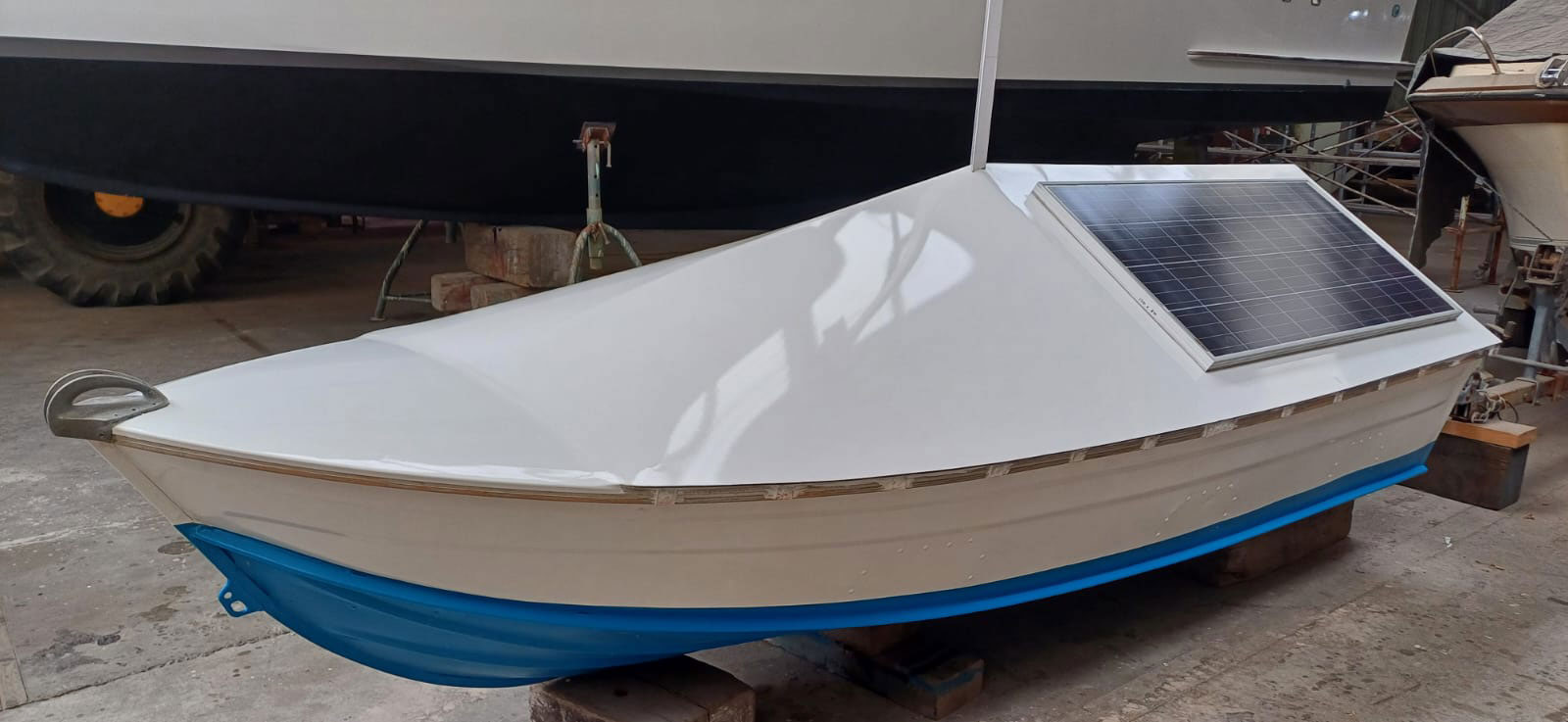
Large Passive Acoustic Listening Vessel designed to supply constant data set for research of Dolphin and whale species in Queen Charlotte sound. Data set for scientific analysis.
How to HELP Marlborough Sounds Dolphin and Whale Species ?
Install a Passive Acoustic monitoring system in Queen Charlotte Sound .
The Unit will detect and supply Data on:
- All types of Whales (Orca)
- Bottlenose Dolphins
- Dusky Dolphins
- Common Dolphins
- Hectors Dolphins (Focus on local Taonga Species)
Initial Location:
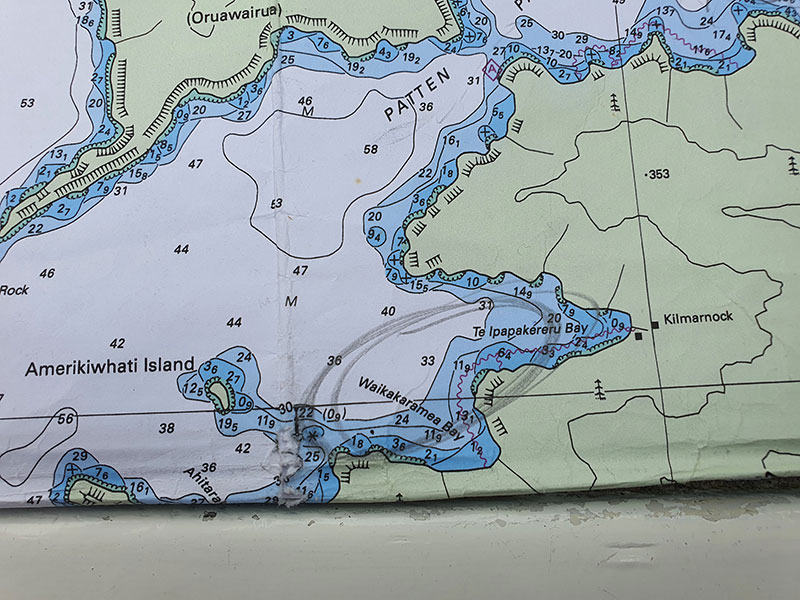
The initial Scientific Trail will be based in Te Ipapakereru Bay and surrounding bays on Western Arapawa Island.
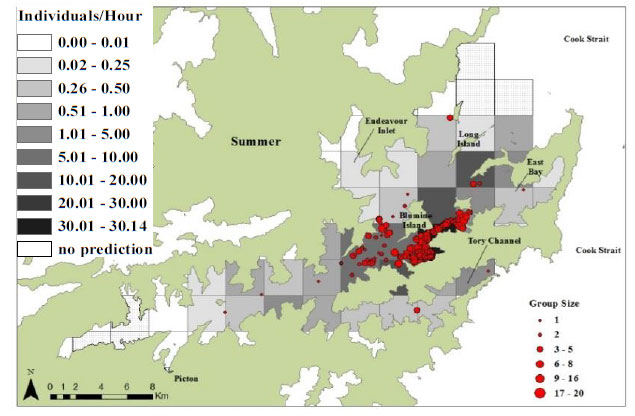
This is the known location of the Critically Endangered Hectors Dolphin Species. The smallest marine Dolphin at 1.2m and the rarest of these than 35 individuals in total. See the map below.
Focusing on Local Taonga Species is important as our Community Cares about these special animals.
Our initial Data-set will be focused on the Home area ; see below:
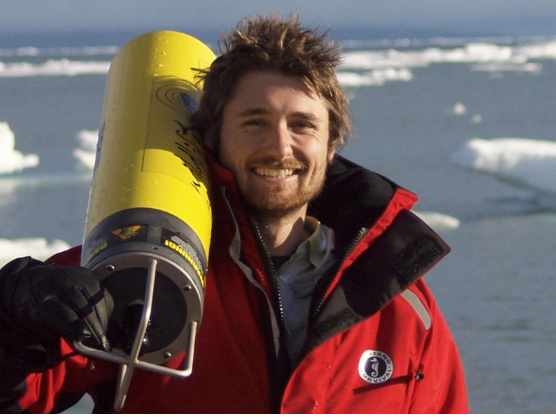
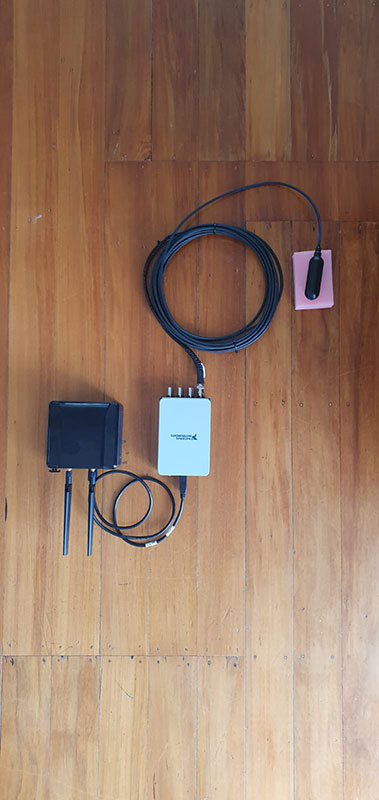
Acoustic Listening Equipment Supplied by Dr Matt Pine form Styles group and E-ko Tours.
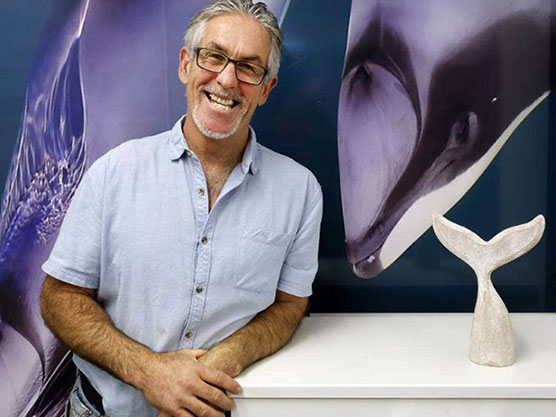
Equipment to be installed for Recording
Data Storage at World Cetacean Alliance office in Picton, Mall.
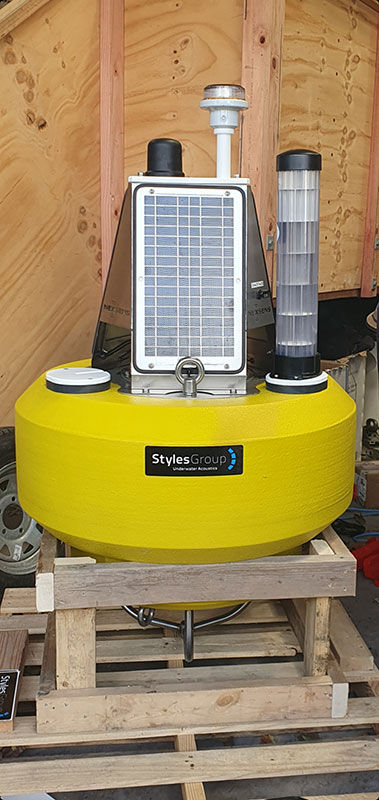
Stakeholders
Iwi; Te Atiawa , Department of Conservation , Marlborough District Council , World Cetacean Alliance. Maui and Hectors Dolphin Defenders. Local Landowners. Sounds Enhancement Project.
NEW Scientific Data Set Applications
The dataset with only 1 mobile acoustic unit will be purposed to establish and confirm the High concentration of the Critically Endangered Hector dolphin Species Initially.
Check concentration patterns of Seasonal Dusky Dolphins.
An Acoustic system that is shore-based and has multiple units is proposed in time. The advantage locally is using the funnel shape of the sounds, and this larger system will be able to provide Data on Bottlenose Dolphins, Orca and Whales migrating or visiting the area.
- Lead to analysis of food type and feeding patterns.
- Lead to specify critical breeding times.
- Lead to identification and FIN ID catalogue with Acoustic ID. ( World first )
- Lead to eventual additional protection measures and mitigate accidents with shipping.
- Lead to food enhancement and stabilization.
- Lead to increased Science Presence to enhance our Environmental aspirations.
- Fulfil our requirements as Kaitiakitanga as a community.
Historical Scientific Old Data Set – Oldest in New Zealand
The current Scientific Data Set has been collected by E-ko tour from 2009 to 2024. Some historical Records go back to 1995. The recent 15-year Data Set has been used in a thesis produced Cheryl Cross in 2019.
https://mro.massey.ac.nz/items/64d80b2b-f1df-4ff4-bdfe-d345cd268233
The collection of this visual Data set is the longest-running in New Zealand and has been sponsored by E-ko tours as a community asset. Department of Conservation, Marlborough District Council or any University has full access should they wish to produce a paper.
This Data Set and Cheryl Cross’s 2019 work underpin the Current paper for discussion.
The commitment by E-ko Tours staff ,Researchers and Interns over the 15 years has been approximately $1,440,000.00 to actively daily record , log , collate and maintain.
Project Update – 2026
Important Project Change
In late 2025, the Passive Listening Dinghy used in this project was stolen, resulting in the loss of the mobile surface platform. While this was a significant operational setback, all acoustic data collected prior to the theft was successfully secured and analysed.
Critically, the dataset confirms high and consistent use of this area by Hector’s dolphins, validating both the original project design and the ecological importance of Queen Charlotte Sound / Tōtaranui as core dolphin habitat.
Key Findings to Date
Analysis of the collected passive acoustic dataset indicates:
-
Frequent and repeated dolphin detections across multiple temporal windows
-
Strong evidence of regular habitat use, not transient passage
-
Acoustic activity consistent with foraging and social behaviour, reinforcing the area’s conservation significance
These results provide robust baseline evidence supporting long-term protection, management planning, and further investment in fixed passive acoustic monitoring.
Next Phase: Transition to a Fixed Underwater Recorder
Following the loss of the dinghy, the project is now transitioning from a mobile platform to a long-term, fixed underwater acoustic monitoring solution.
The preferred system for the next phase is the:
ST600 HF – Long-Term Passive Acoustic Recorder
This system offers:
-
Extended autonomous deployment capability
-
High-frequency sensitivity suitable for Hector’s dolphin vocalisations
-
Robust data integrity for long-term ecological studies
-
Compatibility with advanced analytical and AI-assisted workflows
A fixed installation will significantly improve data continuity, security, and scientific reliability, while reducing operational risk.
Funding & Collaboration Objectives
We are actively seeking:
-
Project funding to procure and deploy the ST600 HF system
-
International university partnerships specialising in:
-
passive acoustic monitoring
-
marine mammal bioacoustics
-
long-term ecological datasets
-
AI-assisted acoustic analysis
-
This site offers a rare, high-value dataset opportunity:
a confirmed high-use habitat for a critically endangered species, with existing historical context and strong local support.
Partner institutions would gain access to:
-
Long-term acoustic data
-
A proven monitoring location
-
Opportunities for peer-reviewed research
-
Direct conservation impact in a globally significant context
Why This Matters
Hector’s dolphins are among the most endangered marine mammals in the world. Demonstrating persistent habitat use through acoustic evidence strengthens the case for:
-
targeted protection measures
-
vessel-management strategies
-
informed regulatory decisions
-
international research collaboration
Replacing the stolen dinghy with a permanent underwater recorder is not a downgrade — it is a strategic evolution of the project.
How to Get Involved
We welcome engagement from:
-
Universities and research institutes
-
Conservation funders and grant bodies
-
Technical partners
-
Organisations aligned with marine biodiversity protection
Support can take the form of funding, equipment sponsorship, or collaborative research deployment.