
SOUNDS ENHANCEMENT · QUEEN CHARLOTTE SOUND / TŌTARANUI
Listening beneath the surface
Our passive acoustic monitoring project adds an underwater perspective to marine mammal observations in the Marlborough Sounds, with a particular focus on our local taonga, Hector’s dolphins / Tūpoupou.
Our original project video introduces the listening platform and its aims.
Where the project began
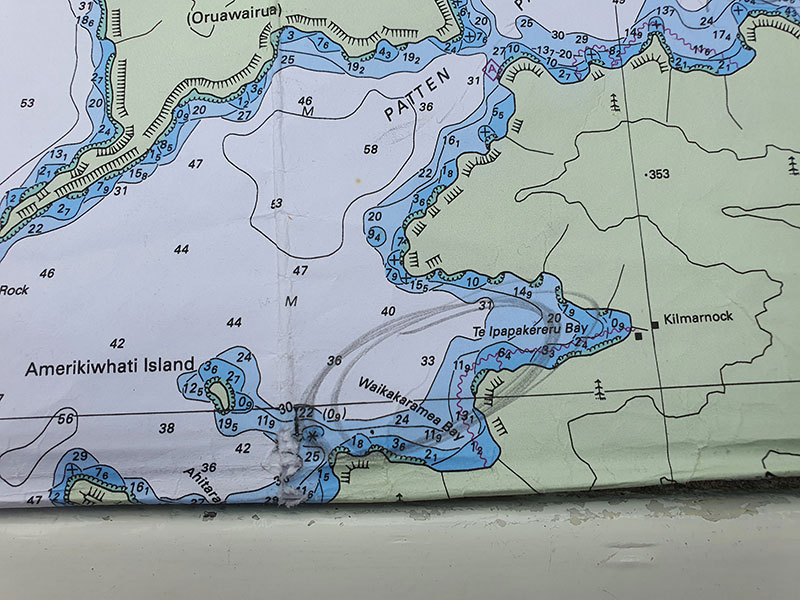
The original trial was based in Te Ipapakereru Bay and surrounding bays on western Arapawa Island, Queen Charlotte Sound / Tōtaranui.
From a listening platform to a research dataset
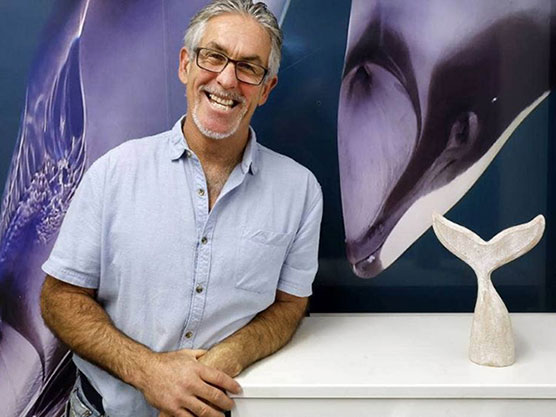
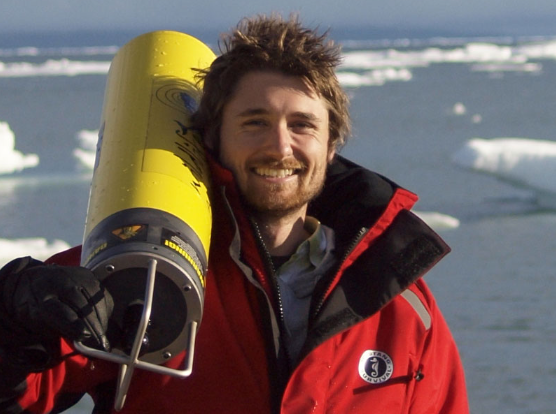
The trial used an acoustic listening platform, with equipment supplied through Dr Matt Pine, Styles Group and E-Ko Tours.
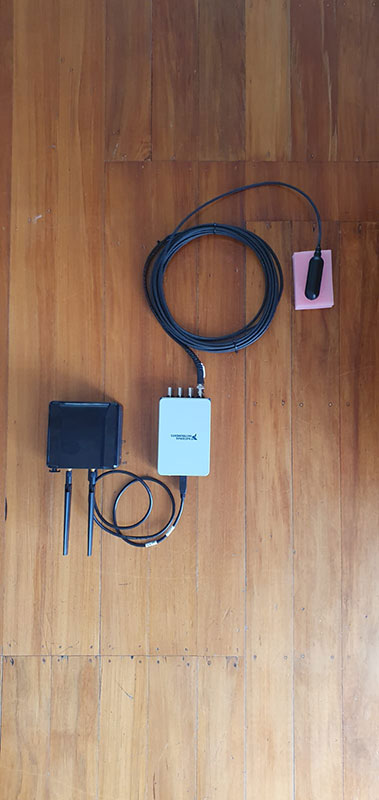
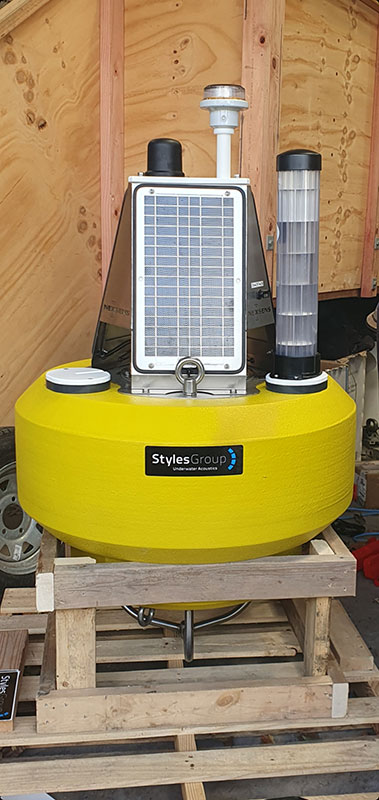
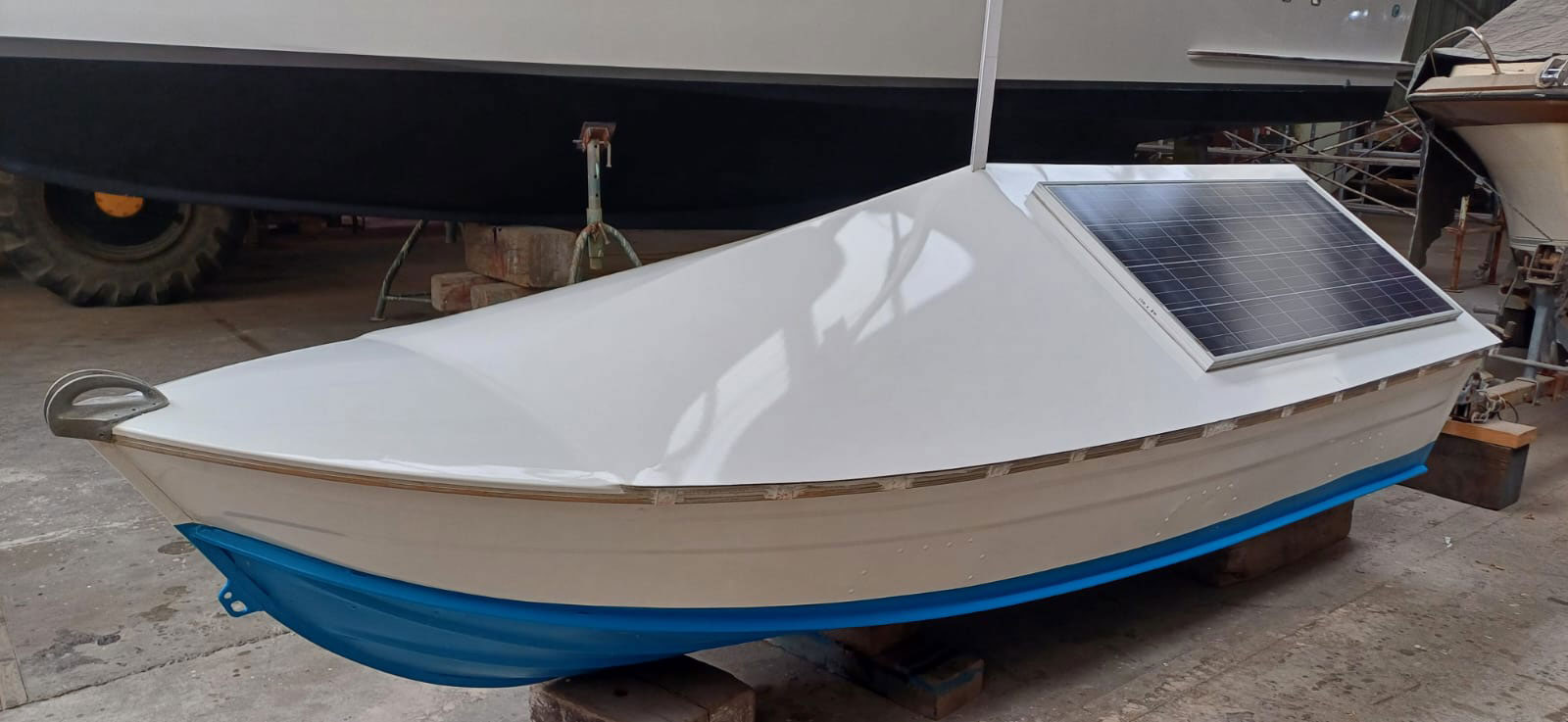
The listening dinghy was stolen in late 2025. The trial recordings were retained, and the next phase is focused on fixed underwater units.
90-day acoustic dataset available for academic study
We welcome enquiries from students, supervisors, universities and research institutes worldwide. Access to the trial dataset is arranged directly with E-Ko.
Please email ceo@e-ko.nz with your institution, course or research programme, supervisor where applicable, research question, data requirements and proposed timeframe.
We will discuss the available recordings, supporting information and access terms with you. Files are supplied privately following agreement.
Enquire about academic accessWhat future monitoring could help us understand
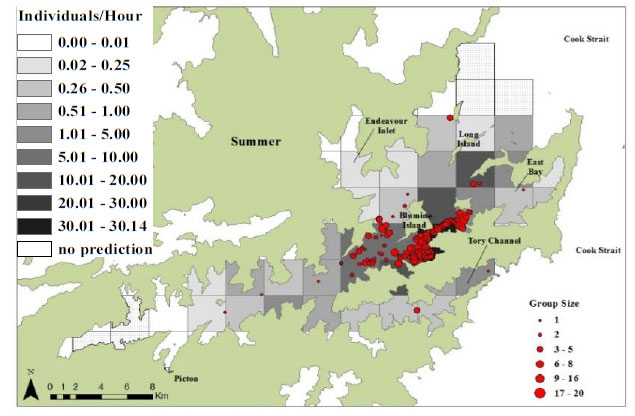
A sustained monitoring programme would support research into patterns of acoustic activity over time and how these relate to visual sightings and environmental conditions. Our focus is Hector’s dolphins, with wider interest in other dolphins and whales visiting the Sounds.
Research questions and species identification methods will be developed with scientific partners. The 90-day trial provides a starting point for further study; permanent monitoring would allow a longer record to be built.
Historical project video: figures and proposals reflect the information presented when it was made.
Help install permanent underwater monitoring units
The successful trial is complete. Funding is now needed to establish the next phase: permanent, fixed underwater acoustic monitoring units.
Support can help cover:
- Underwater recorders and installation equipment.
- Site planning, deployment and servicing.
- Data retrieval, secure storage and processing.
- Scientific analysis and reporting.
We welcome funding, equipment sponsorship and technical or university collaboration. The final number of units, sites, equipment and deployment schedule will be developed with scientific and technical partners, subject to funding and any required permissions.
Discuss funding or sponsorship Support Sounds EnhancementWorking with our community
We welcome discussion with Te Ātiawa and mana whenua, the Department of Conservation, Marlborough District Council, the World Cetacean Alliance, Māui and Hector’s Dolphin Defenders, local landowners and research institutions.
Explore the visual sightings record
Our acoustic project complements the separate marine mammal sightings database, built through decades of observations, ship’s logs and intern contributions.
Read about the marine mammal database →